
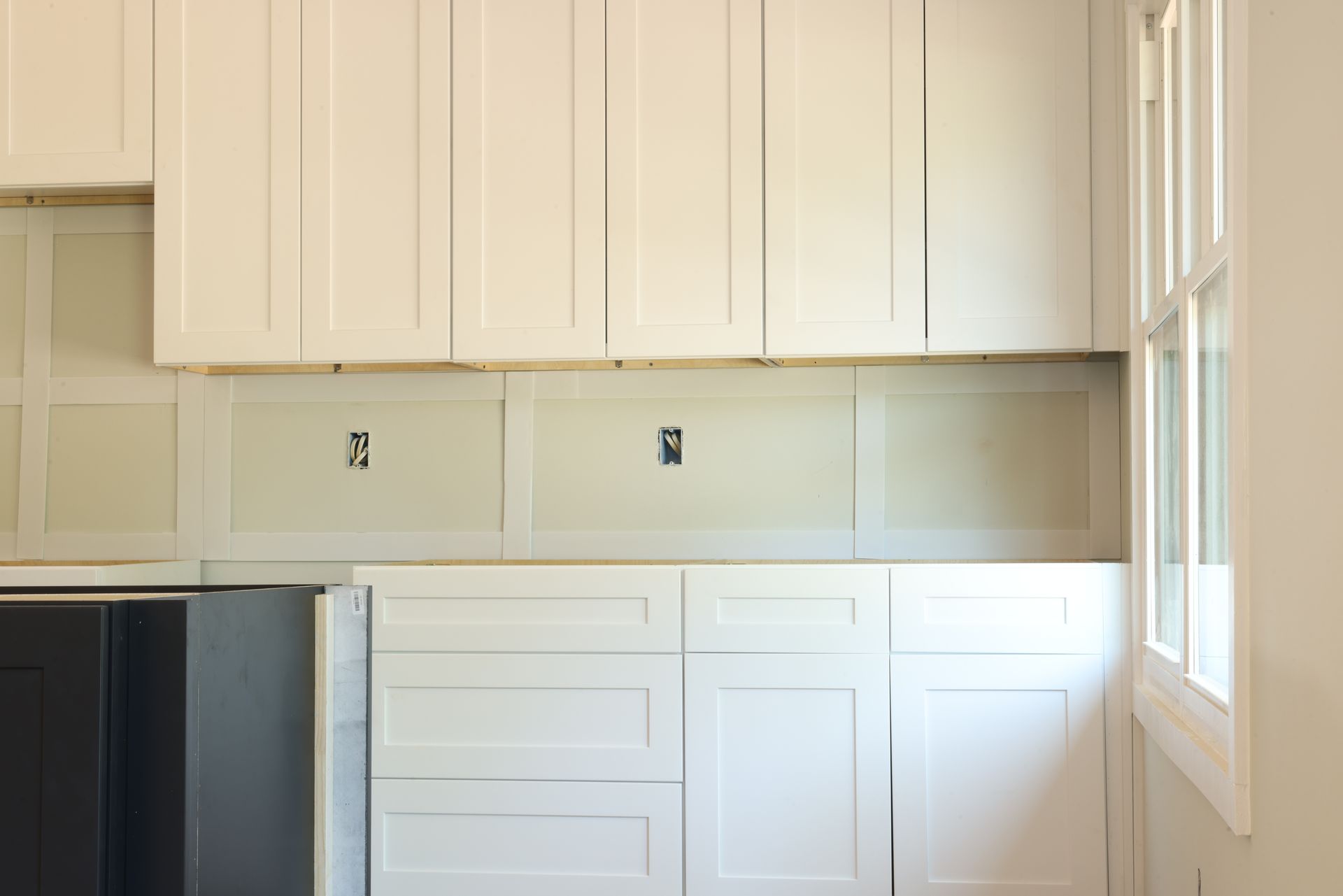
Built-In Features Designed Around How You Use Space
Custom Woodworking in London for adding storage solutions and one-of-a-kind built-in features
Standard furniture rarely fits awkward corners or uses vertical space efficiently in older homes. A custom bookshelf built into the wall beside a fireplace or a window seat with hidden storage underneath changes how a room functions without requiring a full remodel. Sturgill's Handyman Services builds custom woodworking projects in London that address specific layout challenges and match existing trim details.
Custom work begins with measuring the space and discussing how it gets used—whether that means adding shelving that accommodates specific collections, creating a bench that fits an entryway's exact width, or building cabinetry that hides equipment while keeping it accessible. Each piece gets cut, assembled, and finished to integrate with the room's existing woodwork and architectural style.
Arrange an on-site consultation to review potential woodworking projects and discuss design options that fit your home's layout.
What Changes After Custom Woodworking Completes
Handcrafted woodwork involves selecting lumber that matches grain patterns and color tone, cutting joints that hold without visible fasteners, and applying finishes that protect the wood while highlighting its natural character. Construction techniques vary depending on whether the piece will bear weight, resist moisture, or get handled daily.
After installation, you'll notice items that previously sat in piles now have designated spots, wasted space along walls becomes functional storage, and the new feature looks like it was part of the original construction rather than an addition. Drawers slide smoothly, doors close flush, and surfaces remain level under load.
Custom projects differ from prefabricated options in how precisely they fit the available space and how closely they match existing trim profiles and wood species. Quality woodworking also means joints stay tight as wood expands and contracts with seasonal humidity changes, and finishes don't chip or wear through quickly in high-contact areas.
Common Questions About Custom Woodworking
Understanding what custom work involves helps homeowners make informed decisions about materials and design before projects begin.
What types of custom woodworking projects are typically requested?
Built-in shelving, window seats with storage, entertainment centers, fireplace mantels, custom cabinetry, and mudroom benches are frequently requested because they address specific layout challenges that standard furniture cannot solve.
How does wood selection affect the finished project?
Hardwoods like oak or maple resist denting and wear better in high-traffic applications, while softer woods like pine cost less but show damage more easily, making species selection dependent on where the piece will be used and how much handling it will endure.
What happens during the design phase?
Measurements are taken at the installation site, design options are discussed based on the space and intended use, wood species and finish options are reviewed, and a plan is finalized before any cutting begins.
How are custom pieces finished to match existing woodwork?
Stain samples are tested on scrap wood from the same species used in the project, and finish coats are applied in layers to build color depth and sheen that matches surrounding trim or cabinetry in the London home.
When should custom woodworking be scheduled?
Ordering materials and scheduling construction takes time, so planning several weeks ahead allows for proper material selection and avoids rushing the craftsmanship required for precise fitting and finishing.
Sturgill's Handyman Services builds custom wood features throughout London with focus on durability and design integration. Discuss your specific woodworking ideas to determine how custom solutions can address your home's unique layout challenges.