
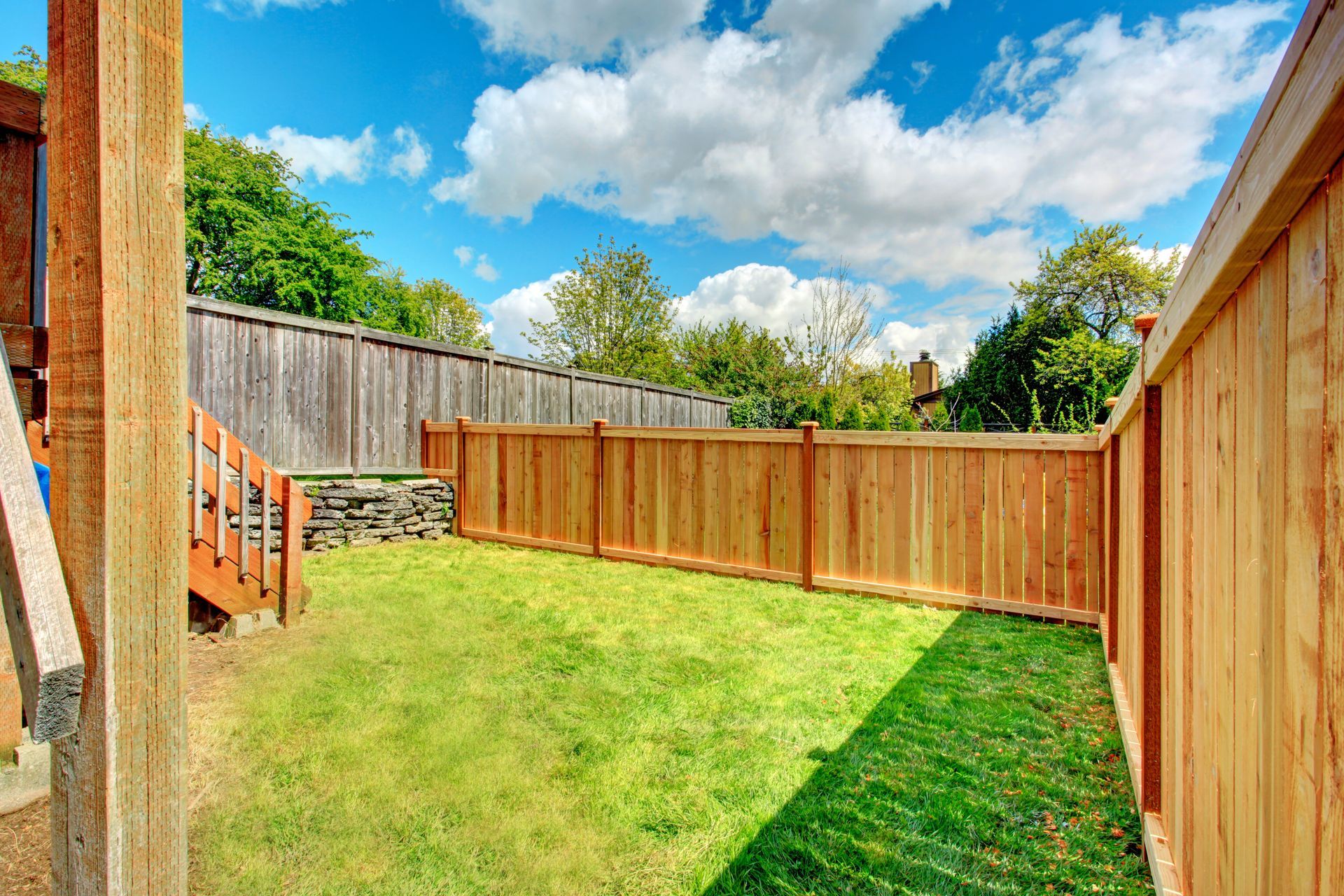
Property Boundaries That Hold Up Year After Year
Fence Installation and Repair in London for replacing damaged sections and defining property lines clearly
Damaged fence boards and leaning posts change how a property looks and how secure it feels. Sturgill's Handyman Services handles fence installation and repair work in London, addressing everything from rotted sections to complete perimeter replacements. When rails sag or panels pull away from posts, the gap between what the fence used to do and what it currently does becomes obvious to anyone walking past.
Fence work involves setting posts below the frost line to prevent heaving during Kentucky's freeze-thaw cycles, securing rails with corrosion-resistant fasteners, and aligning panels so gates swing freely without dragging. Repair work targets the specific failure points—a rotted post base, split pickets, or loose hardware—and replaces only what no longer functions correctly.
Schedule a property evaluation to identify which sections require immediate attention and which materials suit your fencing needs.
What Proper Fence Installation Requires
Setting fence posts in compacted gravel or concrete ensures stability when wind loads push against panels, and spacing posts according to panel width prevents sagging between supports. Each post must stand plumb before rails attach, and rail height must remain consistent across the entire run to avoid a wavy top line that draws attention to installation errors.
Once installation finishes, you'll notice gates latch without forcing, panels stand vertical without gaps at the ground, and corner posts remain rigid when pushed. The fence line appears straight from any angle, and the structure resists movement during storms or when pets press against it.
Material choice affects longevity—pressure-treated lumber resists rot longer than untreated wood, and vinyl doesn't require repainting but can crack in extreme cold. Selecting hardware rated for outdoor exposure prevents rust stains and premature failure at connection points.
Questions Before Starting Your Fencing Project
Homeowners frequently ask about material performance and installation details before committing to fence work.
What determines whether a fence section needs repair or full replacement?
If more than half the boards show rot or if posts lean significantly due to ground movement, replacement typically costs less than patching multiple failing components across the same section.
How does Kentucky weather affect fence material choices?
Freeze-thaw cycles in London cause ground movement that stresses improperly set posts, and humidity accelerates wood rot in untreated lumber, making material grade and post-setting depth critical decisions during installation.
What preparation happens before fence installation begins?
The installation area gets cleared of vegetation and debris, post locations are marked according to panel dimensions, and any underground utility lines are identified to avoid conflicts during digging.
When should damaged fencing be addressed?
Leaning posts and loose panels worsen quickly once structural integrity begins failing, and delaying repairs often means replacing larger sections later as adjacent components take on additional stress.
What affects the cost of fence installation?
Material type, fence height, total linear footage, terrain slope, and the number of gates all influence the final cost, with rocky soil or significant grade changes requiring additional labor during post installation.
Sturgill's Handyman Services completes fence installation and repair projects throughout London with attention to structural integrity and long-term performance. Request a detailed estimate based on your property's specific fencing requirements and current condition.